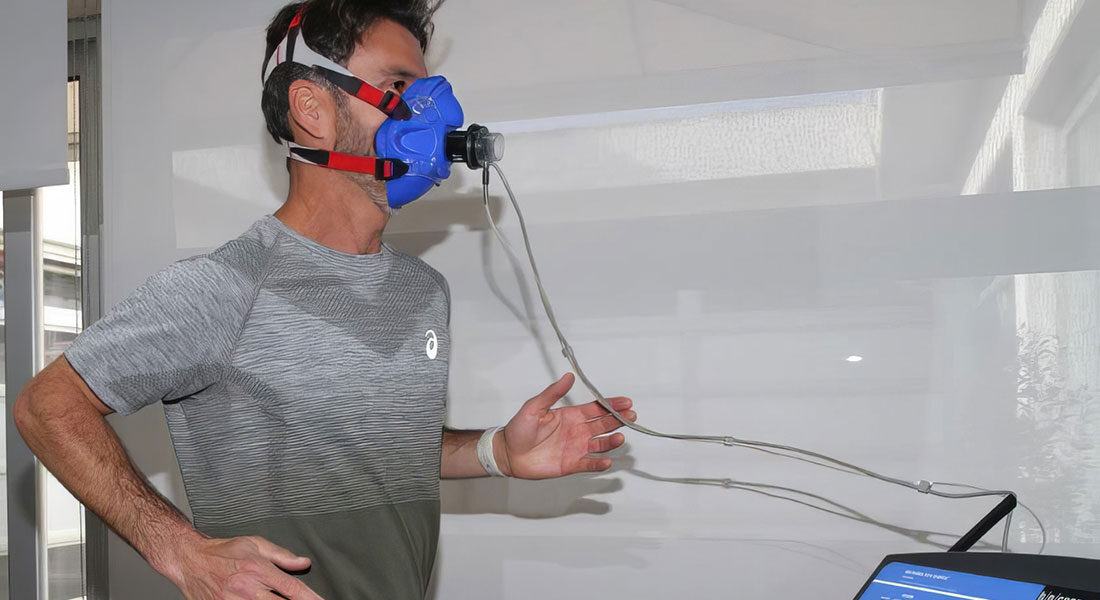
 By the general term “Ergometric Testing,” we refer to the process of evaluating the parameters of physical fitness. The term “physical fitness” is defined as the ability of the human body to perform specific muscular work efficiently. Physical fitness is a multifactorial concept composed of 11 critical parameters: cardiorespiratory endurance, strength, local muscular endurance, flexibility, body composition, speed, agility, balance, neuromuscular coordination, muscular power, and reaction time.
Who is ergometric testing for? Ergometric testing is intended for every active individual, from the professional athlete to the consistently exercising person who wishes to approach training with scientific accuracy. While professional athletes usually have guidance from specialized staff, for other exercisers ergometric testing forms the foundation on which a personalized and safe training plan is built, adapted to each person’s specific physiological characteristics and personal goals.
Athletic performance is the result of the interaction between genetic predisposition and training load. The high energy demands during exercise determine the outcome of performance, the safeguarding of health, and the proper planning of training. Therefore, comprehensive ergometric testing is considered essential for optimizing performance and accurately designing a training program.
By the general term “Ergometric Testing,” we refer to the process of evaluating the parameters of physical fitness. The term “physical fitness” is defined as the ability of the human body to perform specific muscular work efficiently. Physical fitness is a multifactorial concept composed of 11 critical parameters: cardiorespiratory endurance, strength, local muscular endurance, flexibility, body composition, speed, agility, balance, neuromuscular coordination, muscular power, and reaction time.
Who is ergometric testing for? Ergometric testing is intended for every active individual, from the professional athlete to the consistently exercising person who wishes to approach training with scientific accuracy. While professional athletes usually have guidance from specialized staff, for other exercisers ergometric testing forms the foundation on which a personalized and safe training plan is built, adapted to each person’s specific physiological characteristics and personal goals.
Athletic performance is the result of the interaction between genetic predisposition and training load. The high energy demands during exercise determine the outcome of performance, the safeguarding of health, and the proper planning of training. Therefore, comprehensive ergometric testing is considered essential for optimizing performance and accurately designing a training program.
By the general term “Ergometric Testing,” we refer to the process of evaluating the parameters of physical fitness. The term “physical fitness” is defined as the ability of the human body to perform specific muscular work efficiently. Physical fitness is a multifactorial concept composed of 11 critical parameters: cardiorespiratory endurance, strength, local muscular endurance, flexibility, body composition, speed, agility, balance, neuromuscular coordination, muscular power, and reaction time.
Who is ergometric testing for? Ergometric testing is intended for every active individual, from the professional athlete to the consistently exercising person who wishes to approach training with scientific accuracy. While professional athletes usually have guidance from specialized staff, for other exercisers ergometric testing forms the foundation on which a personalized and safe training plan is built, adapted to each person’s specific physiological characteristics and personal goals.
Athletic performance is the result of the interaction between genetic predisposition and training load. The high energy demands during exercise determine the outcome of performance, the safeguarding of health, and the proper planning of training. Therefore, comprehensive ergometric testing is considered essential for optimizing performance and accurately designing a training program.
We provide the most comprehensive assessment package, which includes:
- Creation of an individual file for each client.
- Detailed presentation of ergometric results.
- Specific training guidance and specialized programs.
- Personalized nutrition plan.
- Evaluation through comparative indicators to monitor progress.
 Both. It is suitable for anyone who takes it a little more seriously and wants to train rather than simply exercise casually. For professional athletes, it is easier because there is a knowledgeable coach guiding them. For amateurs, however, ergometric testing can serve as the basis upon which a properly structured training program will be adapted according to each person’s individual physiological characteristics and personal goals.
Athletic performance is the result of the interaction between hereditary factors and training load. The high energy demands during exercise determine competition outcome, health status, and training design. Therefore, comprehensive ergometric testing is considered essential and particularly useful for designing the training program and optimizing athletic performance. The parameters examined during ergometric testing are:
 1. Health Screening – Anthropometric Assessment
Body fat %, Body fat kg, Fat-free mass, Muscle mass, Total body water, Extracellular fluid, Intracellular fluid, Body mass index, Bone mass, Body classification, Visceral fat, ECW/TBW ratio, Basal metabolic rate, Phase Angle, Basal Metabolic Rate indicator, Metabolic age, Body fat distribution, Muscle mass balance, Lower limb muscle performance, Segmental analysis for each lower and upper limb and trunk: Fat percentage and evaluation, Muscle mass in kg and evaluation, Reactance/resistance and phase angle, desirable normal ranges.
2. Isokinetic Evaluation of the Lower Limbs
Isokinetic testing with the help of isokinetic systems is a popular method of muscular assessment. Isokinetic exercise, which is performed at a joint, within a defined range of motion, with constant angular velocity throughout that range, is widely used in the evaluation of physical exercise and injuries.
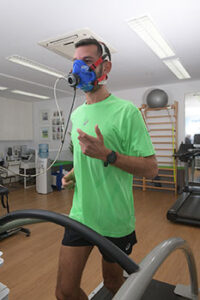
3. Physical Fitness Assessment – VO2max:
Maximum oxygen uptake (VO2max): VO2max is synonymous with endurance. In addition, a high VO2max value is an indication of good health.
- Speed (km/h) or Power Output (watt/kg) at VO2max: This is the maximum speed or maximum produced power corresponding to VO2max. It is one of the most practical indicators of the athlete’s aerobic adaptations.
- Anaerobic Threshold: The anaerobic threshold is an important indicator of aerobic endurance. The higher this workload is, and the longer it can be maintained during exercise, the fitter the individual is.
- Energy (Running) Economy (EE): It is defined as oxygen uptake (mL/kg/min) during a submaximal muscular effort. By learning EE at each speed, we essentially learn the exercise intensity that should be used in training, both continuous and interval, thus improving the quality, safety, and effectiveness of training.
- Blood Lactate Concentration: Lactate is an acidic product of muscle metabolism and makes muscle contraction more difficult. It is measured either at the end of a maximal effort, during a submaximal effort, or during a VO2max test to identify the Anaerobic Threshold.
- Pulmonary Ventilation (Vmax): This refers to the flow of air volume in and out of the lungs. Although there are no reference values, values below 70–60 L/min during maximal effort, depending on gender, body measurements, and type of exercise, may indicate a problem in respiratory capacity.
- Maximum Heart Rate: Knowing this value helps us prescribe and monitor exercise.
- Calorimetry and Carbohydrate Consumption: From oxygen consumption measurements, we can calculate the calories burned at each exercise workload. In addition, the quantitative and relative consumption of carbohydrates and fats is calculated, providing important information on energy economy. This also leads to safe conclusions regarding the amount of carbohydrates that should be consumed during efforts lasting more than one hour, such as marathons, cycling brevets, sailing races, etc. We can also measure resting metabolic rate.
1. Health Screening – Anthropometric Assessment
Body fat %, Body fat kg, Fat-free mass, Muscle mass, Total body water, Extracellular fluid, Intracellular fluid, Body mass index, Bone mass, Body classification, Visceral fat, ECW/TBW ratio, Basal metabolic rate, Phase Angle, Basal Metabolic Rate indicator, Metabolic age, Body fat distribution, Muscle mass balance, Lower limb muscle performance, Segmental analysis for each lower and upper limb and trunk: Fat percentage and evaluation, Muscle mass in kg and evaluation, Reactance/resistance and phase angle, desirable normal ranges.
2. Isokinetic Evaluation of the Lower Limbs
Isokinetic testing with the help of isokinetic systems is a popular method of muscular assessment. Isokinetic exercise, which is performed at a joint, within a defined range of motion, with constant angular velocity throughout that range, is widely used in the evaluation of physical exercise and injuries.
3. Physical Fitness Assessment – VO2max:
Maximum oxygen uptake (VO2max): VO2max is synonymous with endurance. In addition, a high VO2max value is an indication of good health.
- Speed (km/h) or Power Output (watt/kg) at VO2max: This is the maximum speed or maximum produced power corresponding to VO2max. It is one of the most practical indicators of the athlete’s aerobic adaptations.
- Anaerobic Threshold: The anaerobic threshold is an important indicator of aerobic endurance. The higher this workload is, and the longer it can be maintained during exercise, the fitter the individual is.
- Energy (Running) Economy (EE): It is defined as oxygen uptake (mL/kg/min) during a submaximal muscular effort. By learning EE at each speed, we essentially learn the exercise intensity that should be used in training, both continuous and interval, thus improving the quality, safety, and effectiveness of training.
- Blood Lactate Concentration: Lactate is an acidic product of muscle metabolism and makes muscle contraction more difficult. It is measured either at the end of a maximal effort, during a submaximal effort, or during a VO2max test to identify the Anaerobic Threshold.
- Pulmonary Ventilation (Vmax): This refers to the flow of air volume in and out of the lungs. Although there are no reference values, values below 70–60 L/min during maximal effort, depending on gender, body measurements, and type of exercise, may indicate a problem in respiratory capacity.
- Maximum Heart Rate: Knowing this value helps us prescribe and monitor exercise.
- Calorimetry and Carbohydrate Consumption: From oxygen consumption measurements, we can calculate the calories burned at each exercise workload. In addition, the quantitative and relative consumption of carbohydrates and fats is calculated, providing important information on energy economy. This also leads to safe conclusions regarding the amount of carbohydrates that should be consumed during efforts lasting more than one hour, such as marathons, cycling brevets, sailing races, etc. We can also measure resting metabolic rate.
1. Health Screening – Anthropometric Assessment
Body fat %, Body fat kg, Fat-free mass, Muscle mass, Total body water, Extracellular fluid, Intracellular fluid, Body mass index, Bone mass, Body classification, Visceral fat, ECW/TBW ratio, Basal metabolic rate, Phase Angle, Basal Metabolic Rate indicator, Metabolic age, Body fat distribution, Muscle mass balance, Lower limb muscle performance, Segmental analysis for each lower and upper limb and trunk: Fat percentage and evaluation, Muscle mass in kg and evaluation, Reactance/resistance and phase angle, desirable normal ranges.
2. Isokinetic Evaluation of the Lower Limbs
Isokinetic testing with the help of isokinetic systems is a popular method of muscular assessment. Isokinetic exercise, which is performed at a joint, within a defined range of motion, with constant angular velocity throughout that range, is widely used in the evaluation of physical exercise and injuries.
3. Physical Fitness Assessment – VO2max:
Maximum oxygen uptake (VO2max): VO2max is synonymous with endurance. In addition, a high VO2max value is an indication of good health.
- Speed (km/h) or Power Output (watt/kg) at VO2max: This is the maximum speed or maximum produced power corresponding to VO2max. It is one of the most practical indicators of the athlete’s aerobic adaptations.
- Anaerobic Threshold: The anaerobic threshold is an important indicator of aerobic endurance. The higher this workload is, and the longer it can be maintained during exercise, the fitter the individual is.
- Energy (Running) Economy (EE): It is defined as oxygen uptake (mL/kg/min) during a submaximal muscular effort. By learning EE at each speed, we essentially learn the exercise intensity that should be used in training, both continuous and interval, thus improving the quality, safety, and effectiveness of training.
- Blood Lactate Concentration: Lactate is an acidic product of muscle metabolism and makes muscle contraction more difficult. It is measured either at the end of a maximal effort, during a submaximal effort, or during a VO2max test to identify the Anaerobic Threshold.
- Pulmonary Ventilation (Vmax): This refers to the flow of air volume in and out of the lungs. Although there are no reference values, values below 70–60 L/min during maximal effort, depending on gender, body measurements, and type of exercise, may indicate a problem in respiratory capacity.
- Maximum Heart Rate: Knowing this value helps us prescribe and monitor exercise.
- Calorimetry and Carbohydrate Consumption: From oxygen consumption measurements, we can calculate the calories burned at each exercise workload. In addition, the quantitative and relative consumption of carbohydrates and fats is calculated, providing important information on energy economy. This also leads to safe conclusions regarding the amount of carbohydrates that should be consumed during efforts lasting more than one hour, such as marathons, cycling brevets, sailing races, etc. We can also measure resting metabolic rate.
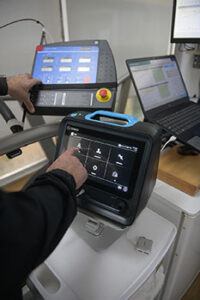 4. Plantar Gait Analysis (Plantar Pressure Analysis)
Static & dynamic measurement, balance, plantar pressure, comparison between the two feet, support surface mapping, heel position, arch loading, deviations of angles/distances from the axis, two- and three-dimensional imaging.
5. Running Economy Analysis
Running economy analysis refers to the amount of O2 “burned” by the body to produce energy at a specific, steady running speed. As expected, this value differs depending on speed, since each speed requires a different amount of energy. It is usually calculated at various submaximal speeds so that it can be graphically represented.
6. Resting Metabolic Rate Measurement (RMR)
Resting metabolic rate, energy balance, specialized nutrition program. With this measurement, we accurately determine daily energy expenditure in order to create a proper nutrition plan or support weight loss.
7. Specialized Nutrition Program
Along with the results, a personalized weekly program is provided following an interview with the nutritionist (Eirini Babaroutsi, PhD Clinical Dietitian, Sports Nutritionist).
8. Flexibility Testing & Posture Assessment
This evaluation reveals issues related to the length of key body muscles, which are factors leading to recurrent injuries.
9. Speed Assessment (For Athletes Only)
10m, 20m, 30m speed, speed with ball – Illinois agility test.
10. WinGate Test – 30 sec (For Athletes Only)
Maximum leg rotation frequency (revolutions/minute), anaerobic alactic power (watt/kg).
11. Lower Limb Strength Assessment (For Athletes Only)
Lower limb strength, right & left leg strength ratio, explosive & elastic power, 30 sec speed-strength evaluation, reaction time to visual and auditory stimuli.
12. Psychomotor Skills Assessment (For Athletes Only)
The athlete is evaluated through a questionnaire and a personal interview, and receives a report from the center’s sports psychologist, Efrosyni Patsou, along with complete informational material regarding their sports psychological profile.
4. Plantar Gait Analysis (Plantar Pressure Analysis)
Static & dynamic measurement, balance, plantar pressure, comparison between the two feet, support surface mapping, heel position, arch loading, deviations of angles/distances from the axis, two- and three-dimensional imaging.
5. Running Economy Analysis
Running economy analysis refers to the amount of O2 “burned” by the body to produce energy at a specific, steady running speed. As expected, this value differs depending on speed, since each speed requires a different amount of energy. It is usually calculated at various submaximal speeds so that it can be graphically represented.
6. Resting Metabolic Rate Measurement (RMR)
Resting metabolic rate, energy balance, specialized nutrition program. With this measurement, we accurately determine daily energy expenditure in order to create a proper nutrition plan or support weight loss.
7. Specialized Nutrition Program
Along with the results, a personalized weekly program is provided following an interview with the nutritionist (Eirini Babaroutsi, PhD Clinical Dietitian, Sports Nutritionist).
8. Flexibility Testing & Posture Assessment
This evaluation reveals issues related to the length of key body muscles, which are factors leading to recurrent injuries.
9. Speed Assessment (For Athletes Only)
10m, 20m, 30m speed, speed with ball – Illinois agility test.
10. WinGate Test – 30 sec (For Athletes Only)
Maximum leg rotation frequency (revolutions/minute), anaerobic alactic power (watt/kg).
11. Lower Limb Strength Assessment (For Athletes Only)
Lower limb strength, right & left leg strength ratio, explosive & elastic power, 30 sec speed-strength evaluation, reaction time to visual and auditory stimuli.
12. Psychomotor Skills Assessment (For Athletes Only)
The athlete is evaluated through a questionnaire and a personal interview, and receives a report from the center’s sports psychologist, Efrosyni Patsou, along with complete informational material regarding their sports psychological profile.
4. Plantar Gait Analysis (Plantar Pressure Analysis)
Static & dynamic measurement, balance, plantar pressure, comparison between the two feet, support surface mapping, heel position, arch loading, deviations of angles/distances from the axis, two- and three-dimensional imaging.
5. Running Economy Analysis
Running economy analysis refers to the amount of O2 “burned” by the body to produce energy at a specific, steady running speed. As expected, this value differs depending on speed, since each speed requires a different amount of energy. It is usually calculated at various submaximal speeds so that it can be graphically represented.
6. Resting Metabolic Rate Measurement (RMR)
Resting metabolic rate, energy balance, specialized nutrition program. With this measurement, we accurately determine daily energy expenditure in order to create a proper nutrition plan or support weight loss.
7. Specialized Nutrition Program
Along with the results, a personalized weekly program is provided following an interview with the nutritionist (Eirini Babaroutsi, PhD Clinical Dietitian, Sports Nutritionist).
8. Flexibility Testing & Posture Assessment
This evaluation reveals issues related to the length of key body muscles, which are factors leading to recurrent injuries.
9. Speed Assessment (For Athletes Only)
10m, 20m, 30m speed, speed with ball – Illinois agility test.
10. WinGate Test – 30 sec (For Athletes Only)
Maximum leg rotation frequency (revolutions/minute), anaerobic alactic power (watt/kg).
11. Lower Limb Strength Assessment (For Athletes Only)
Lower limb strength, right & left leg strength ratio, explosive & elastic power, 30 sec speed-strength evaluation, reaction time to visual and auditory stimuli.
12. Psychomotor Skills Assessment (For Athletes Only)
The athlete is evaluated through a questionnaire and a personal interview, and receives a report from the center’s sports psychologist, Efrosyni Patsou, along with complete informational material regarding their sports psychological profile.